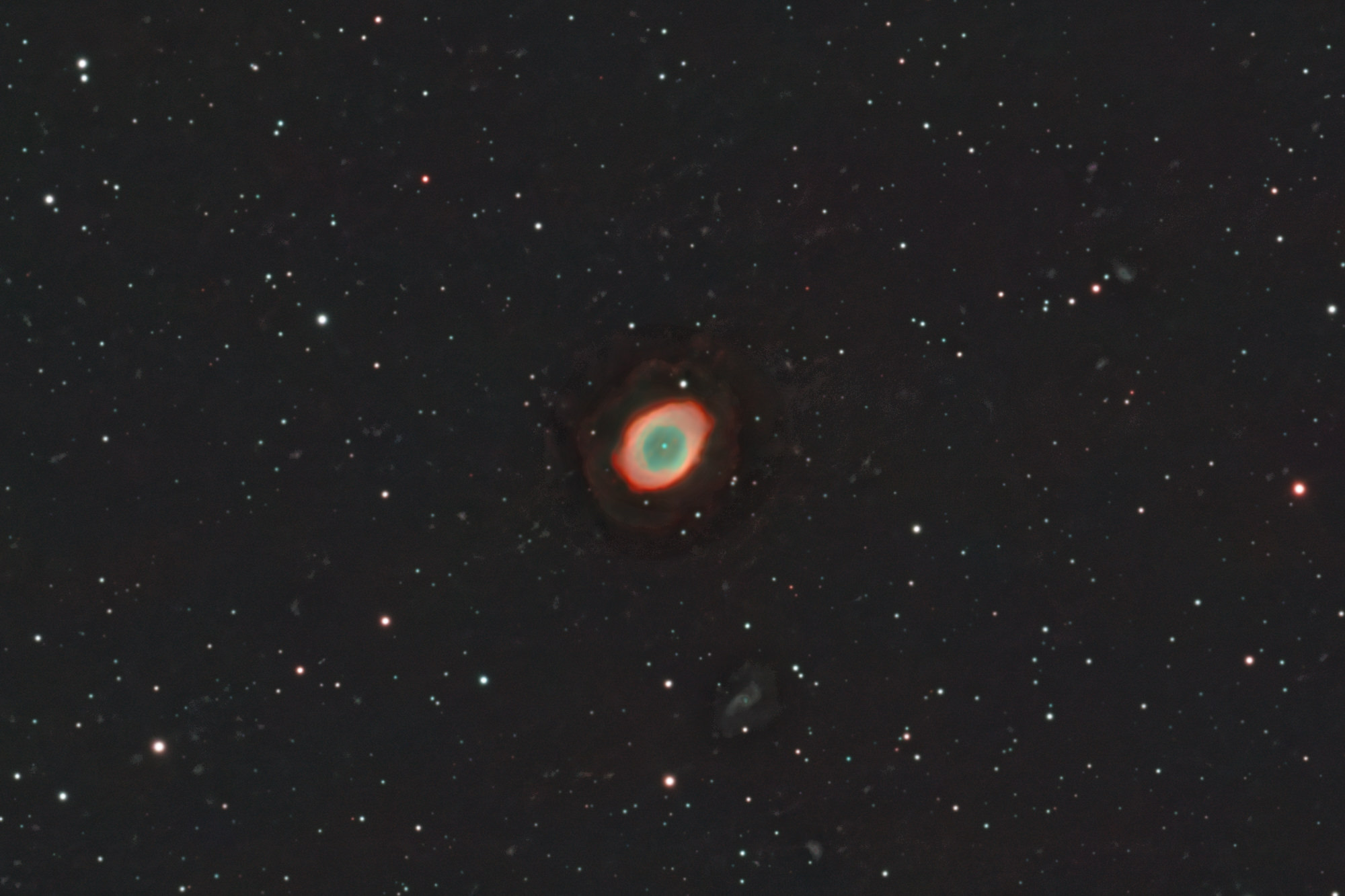
Planetary Nebulae
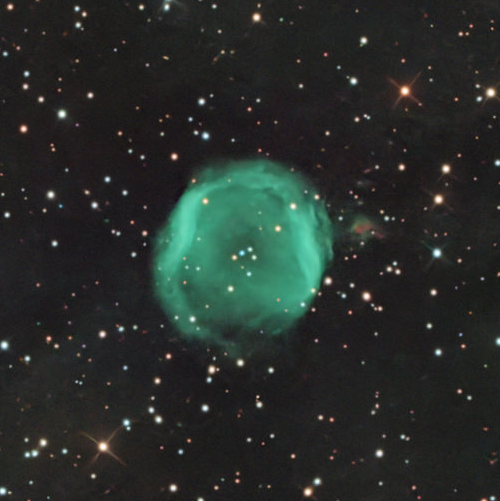
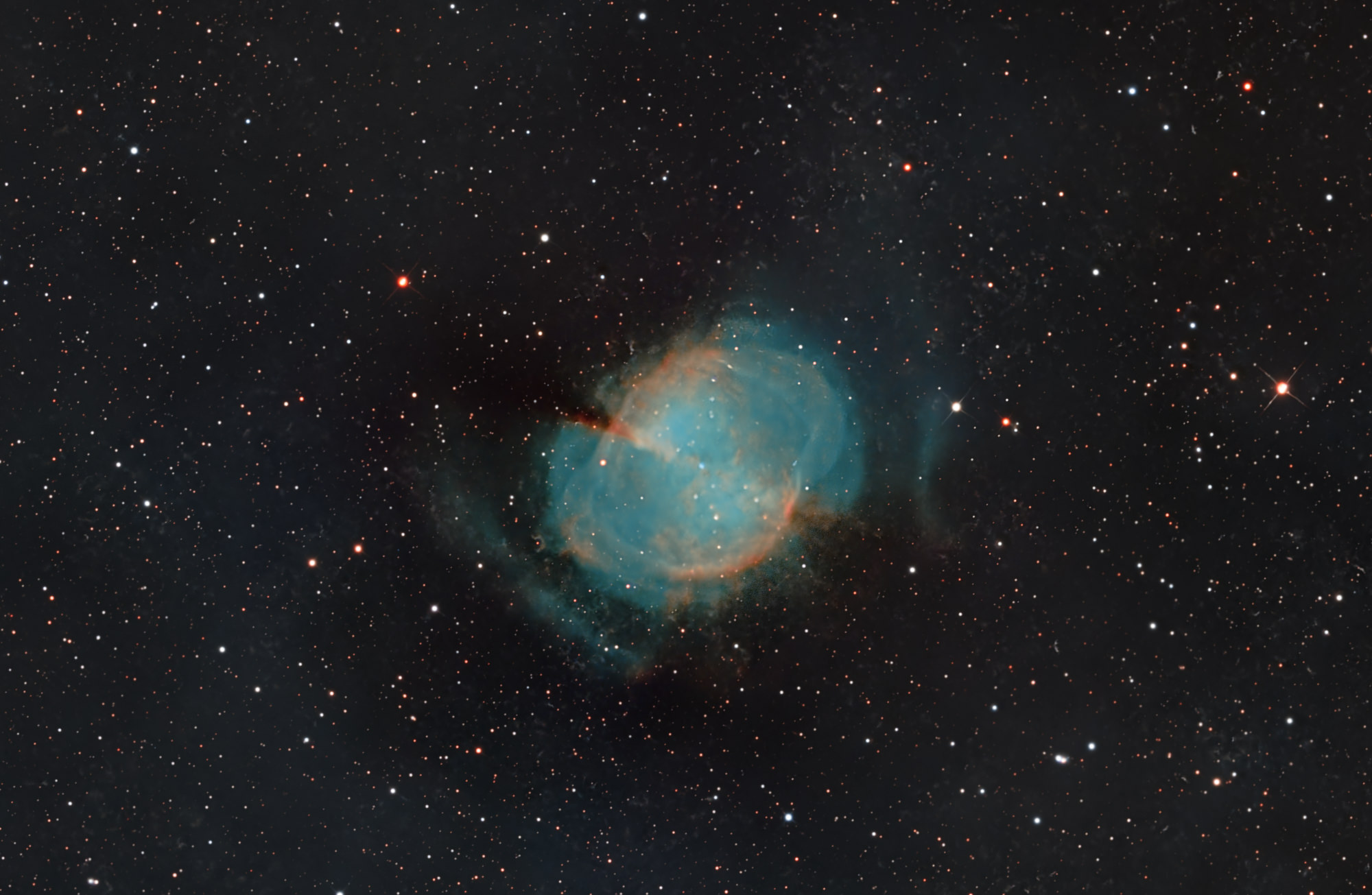
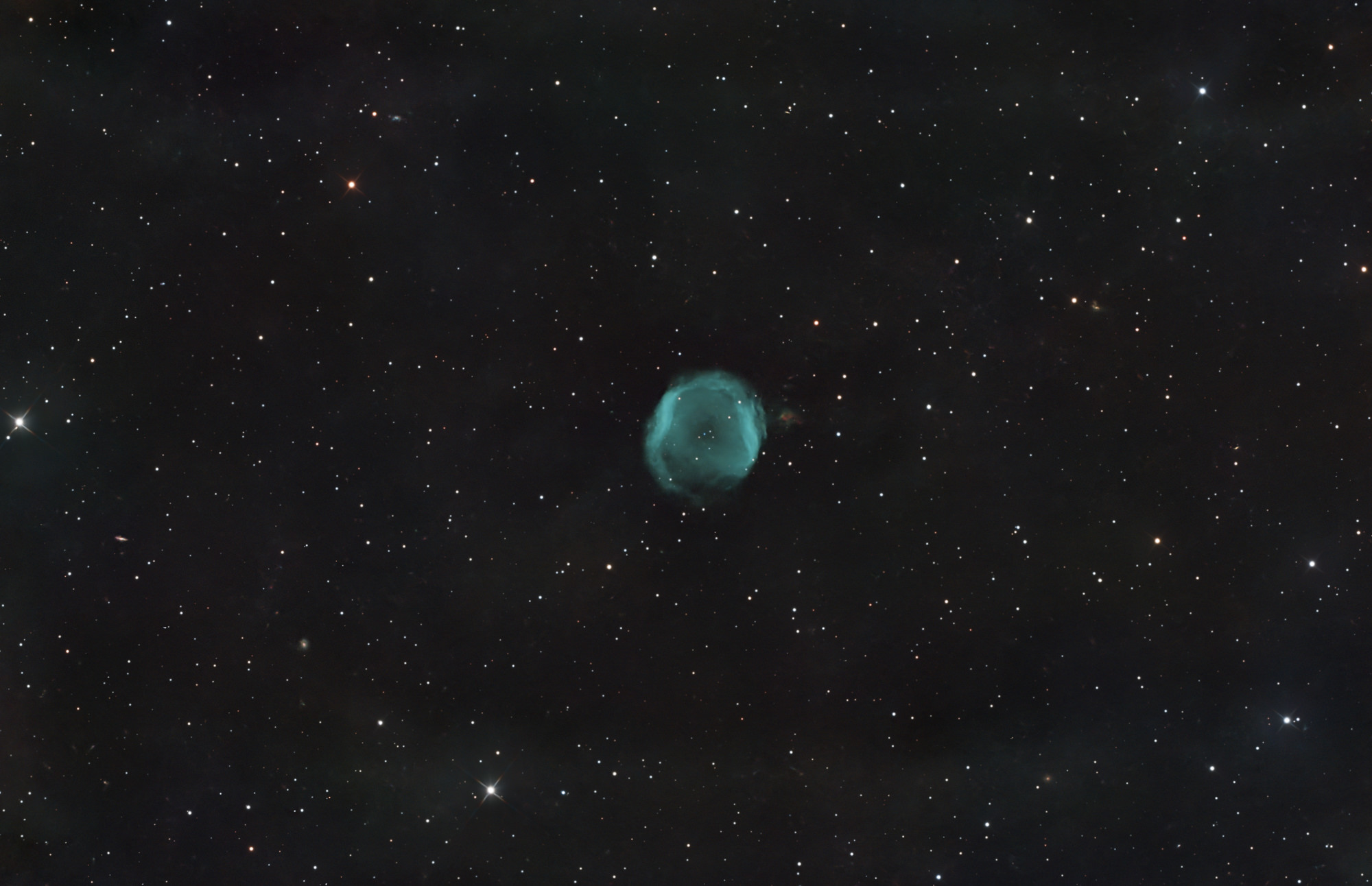
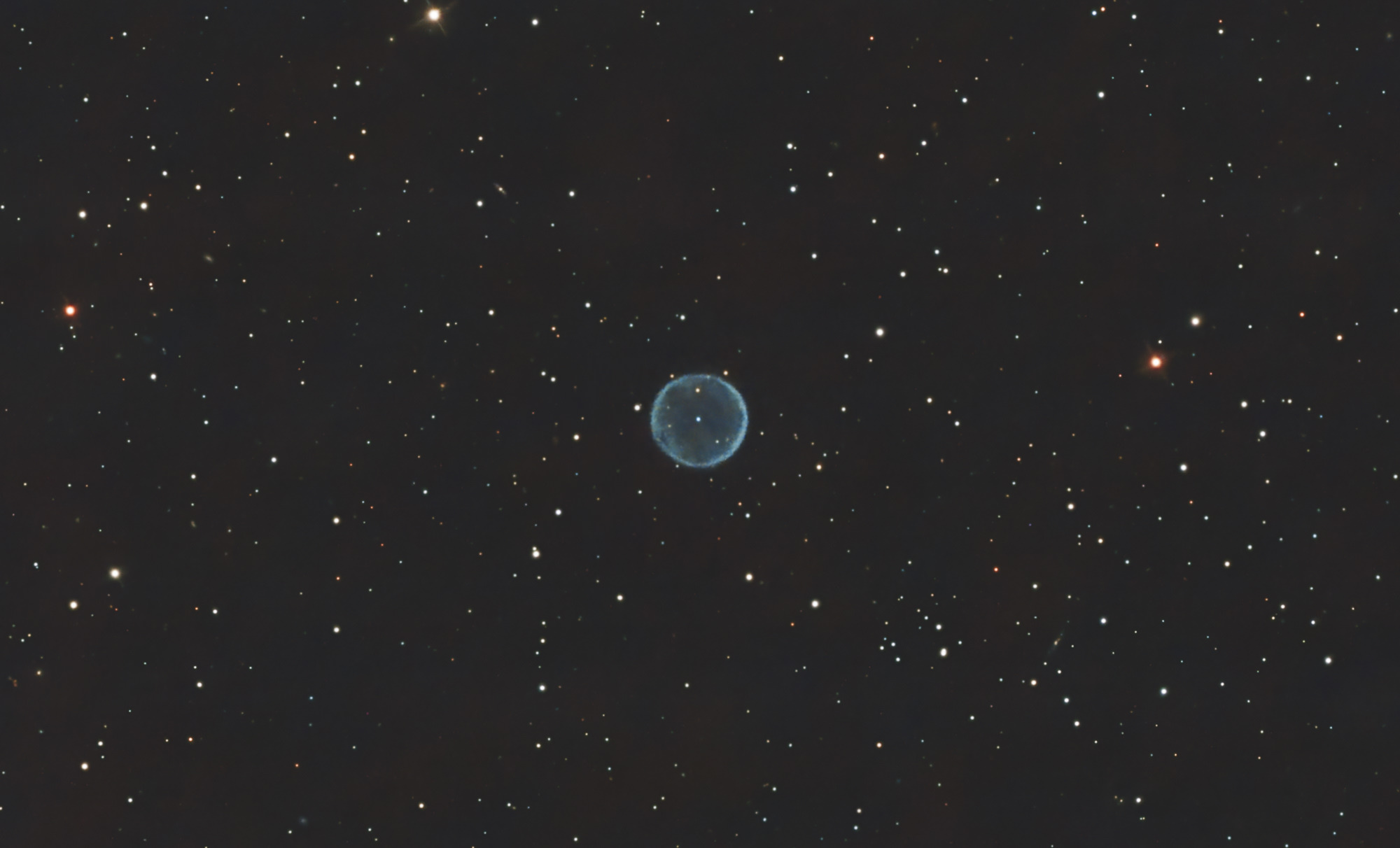
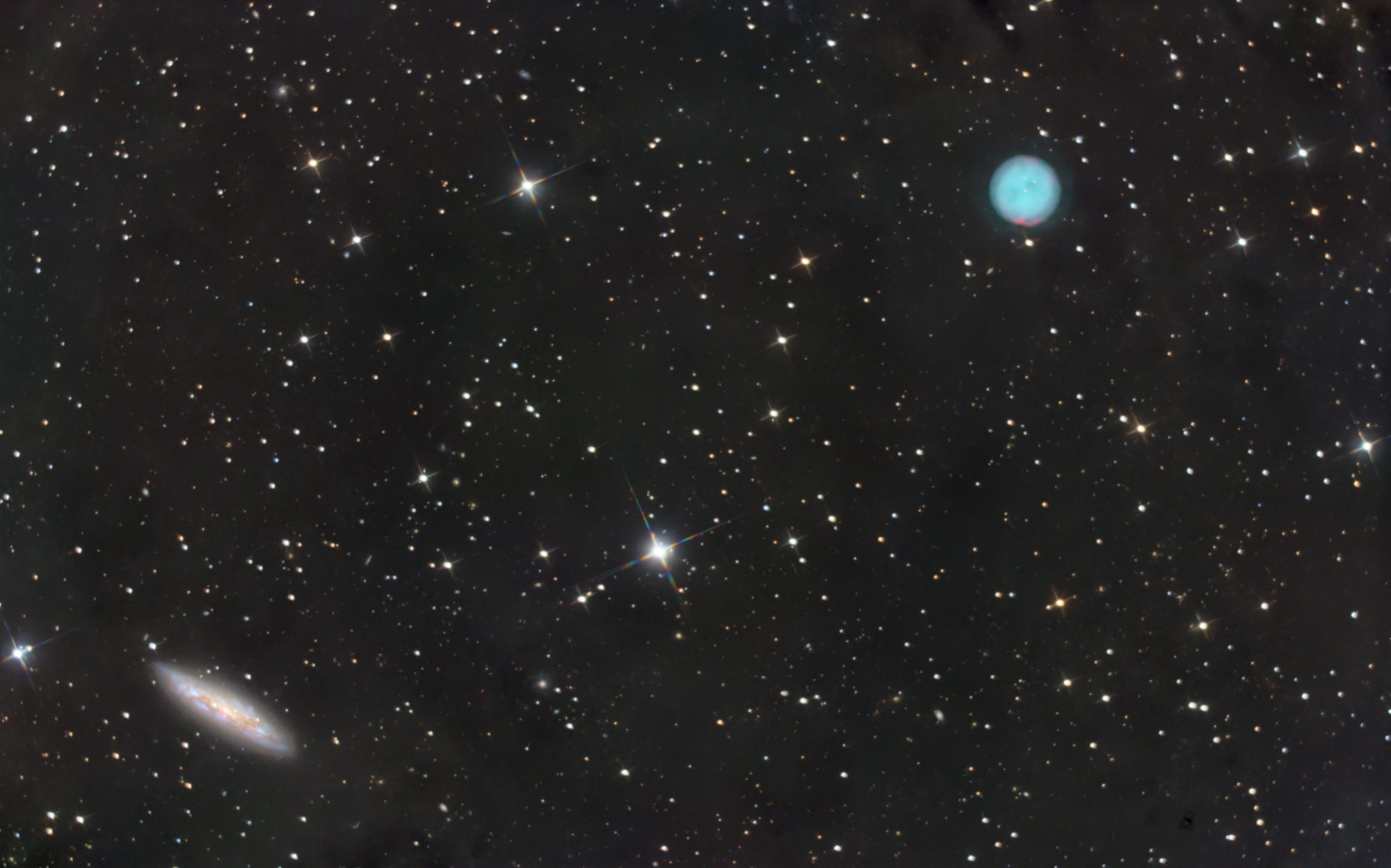
A planetary nebula is a glowing shell of gas and plasma ejected by a dying star in its late stage. Despite their misleading name, these fascinating cosmic structures have nothing to do with planets.
Planetary Nebulae
Planetary nebulae are luminous clouds of gas...
Continue Reading
Planetary nebulae are luminous clouds of gas that form at the end of the life phase of a medium-sized star—for example, stars with an initial mass of approximately 1 to 8 solar masses.
When a star has exhausted its nuclear fuel, it swells into a Red Giant and sheds its outer layers into space.
The exposed hot cores emit intense ultraviolet radiation, which ionizes the ejected gas and causes it to glow—thus creating the planetary nebula.
The forms of manifestation are diverse:
There are round, hourglass-shaped, and bipolar planetary nebulae, depending on the stellar mass and companion star(s).
Planetary nebulae are visible for "only" a few tens of thousands of years. Their name dates back to a time when, due to their round shape, these objects resembled planets when viewed through a telescope.
When a star has exhausted its nuclear fuel, it swells into a Red Giant and sheds its outer layers into space.
The exposed hot cores emit intense ultraviolet radiation, which ionizes the ejected gas and causes it to glow—thus creating the planetary nebula.
The forms of manifestation are diverse:
There are round, hourglass-shaped, and bipolar planetary nebulae, depending on the stellar mass and companion star(s).
Planetary nebulae are visible for "only" a few tens of thousands of years. Their name dates back to a time when, due to their round shape, these objects resembled planets when viewed through a telescope.
The "lifespan" of stars: Those that burn a lot die faster.
Low-mass stars ...
Continue Reading
-
Low-mass stars (red dwarfs)
Low-mass stars (red dwarfs) are the smallest stars. They consume their fuel extremely sparingly and slowly. Their lifespan is immense and can span hundreds of billions of years. Since the universe itself is only about 13.8 billion years old, no red dwarf has died yet.
-
Smaller to medium-sized stars
Smaller to medium-sized stars "live"—burning their hydrogen steadily—and have a lifespan of approximately 10 billion years.
-
Large stars with 8 to 50 solar masses
Large stars, with masses ranging from 8 to 50 solar masses, are very profligate with their energy reserves. Consequently—contrary to what one might expect—they have a significantly shorter lifespan than smaller stars. A star with ten times the mass of the Sun exhausts its central hydrogen supply in just under 35 million years.
- Wikipedia Infos:
ESA Video: Hubble and Euclid zoom in on the "Cosmic Eye" planetary nebula in the constellation Draco.
Explore More Astronomical Objects